Publishing Less Content May Be the Smarter SEO Move in 2026
More blog posts do not always mean more SEO growth. Here is why content pruning, indexing, and stronger pages matter more in 2026.
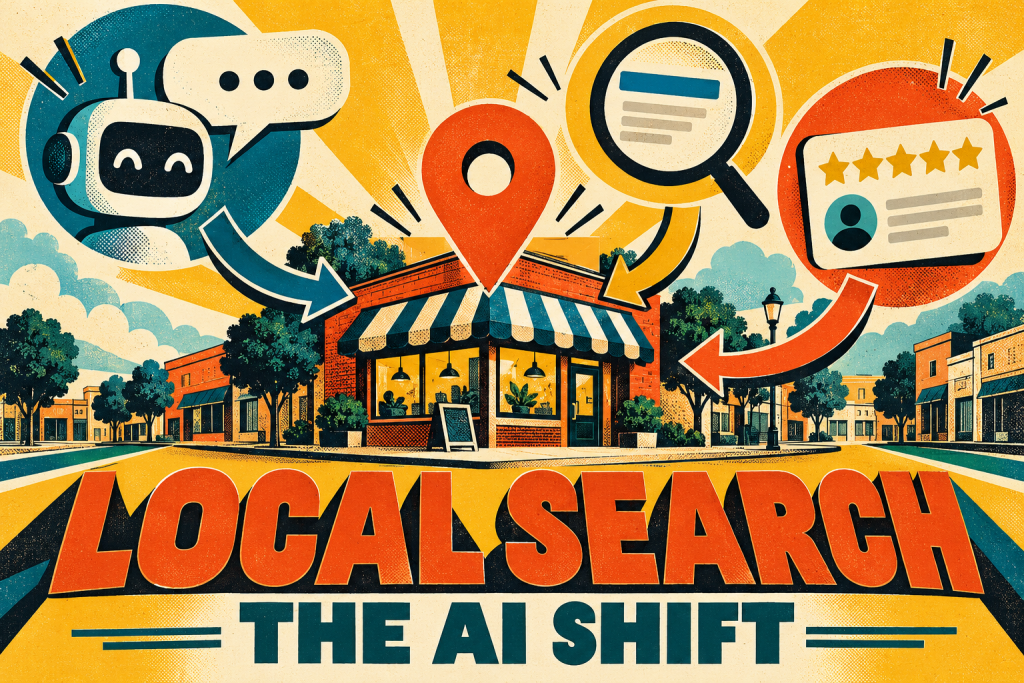
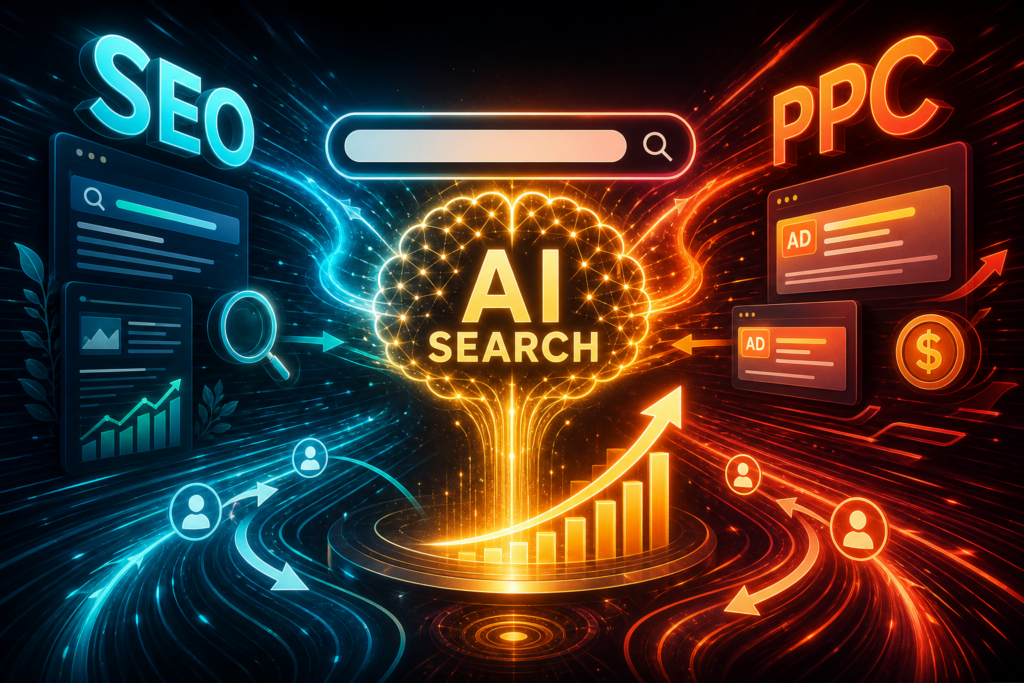
AI search is changing how people choose businesses. SEO, PPC, and AI visibility now need to work as one system, not competing budget lines.
AI search is raising the value of specific, useful content. Here is why focused SEO writing may be more likely to earn citations from AI answer systems.
Scaled AI content often fails because it ignores Google’s crawl economics. Here is why mass publishing can hurt indexing, crawl budget, and long-term SEO performance.
AI search is changing who owns visibility. SEO still matters, but GEO outcomes now depend on brand, product, PR, reviews, and reputation signals.
AI content is not automatically bad for SEO. The real problem is thin, inaccurate, mass-produced content that adds little value for users.
Google’s AI Overviews guidance makes one thing clear: AI search visibility still depends on strong SEO, original insight, technical clarity, and useful content.
Google expanded Merchant Listing structured data with stronger category and sale-duration signals. Here is what ecommerce sites should audit now.
AI search is changing how machines read the web. Learn what OKF, ARD, LLMs.txt, schema, and HTML mean for SEO strategy.
Learn how to rank #1 on Google with practical SEO steps for content, keywords, technical performance, local SEO, and authority building.
Google Search Console is rolling out platform properties, letting creators and marketers track how Instagram, TikTok, X, and YouTube content performs in Google Search.
AEO is not replacing SEO. It is the next layer on top of it. Here’s why businesses need rankings, citations, and answer-engine visibility now.