
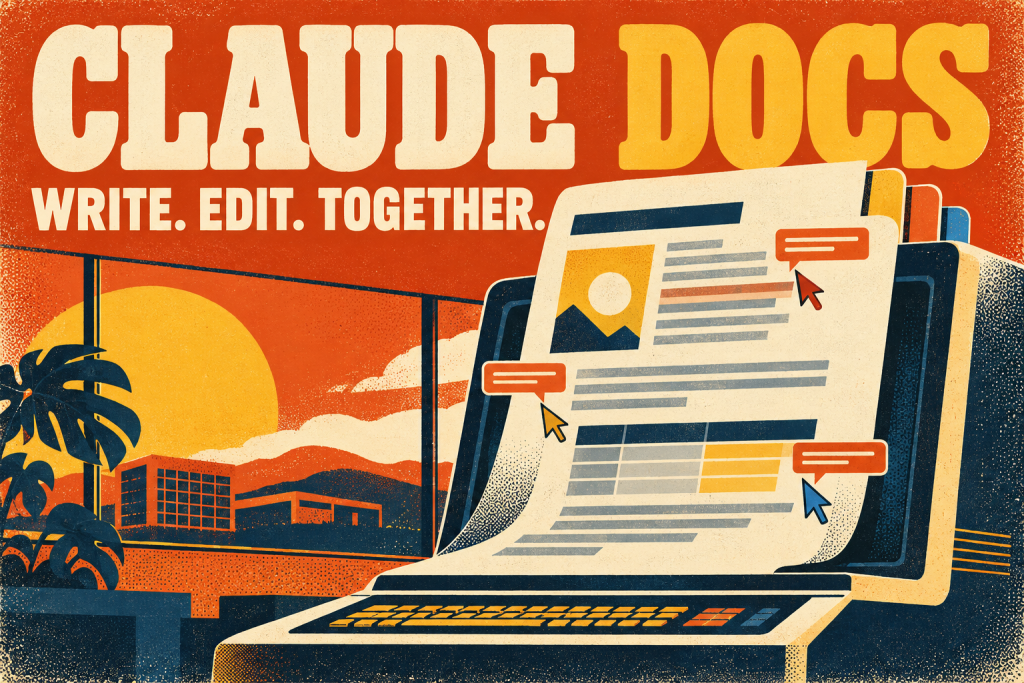
Claude Docs: Write, Edit, and Collaborate Without Leaving the Conversation
Claude Docs brings rich-text editing and real-time collaboration into Claude. Learn how to draft, comment, share, export, and keep document data current.
Claude Docs brings rich-text editing and real-time collaboration into Claude. Learn how to draft, comment, share, export, and keep document data current.
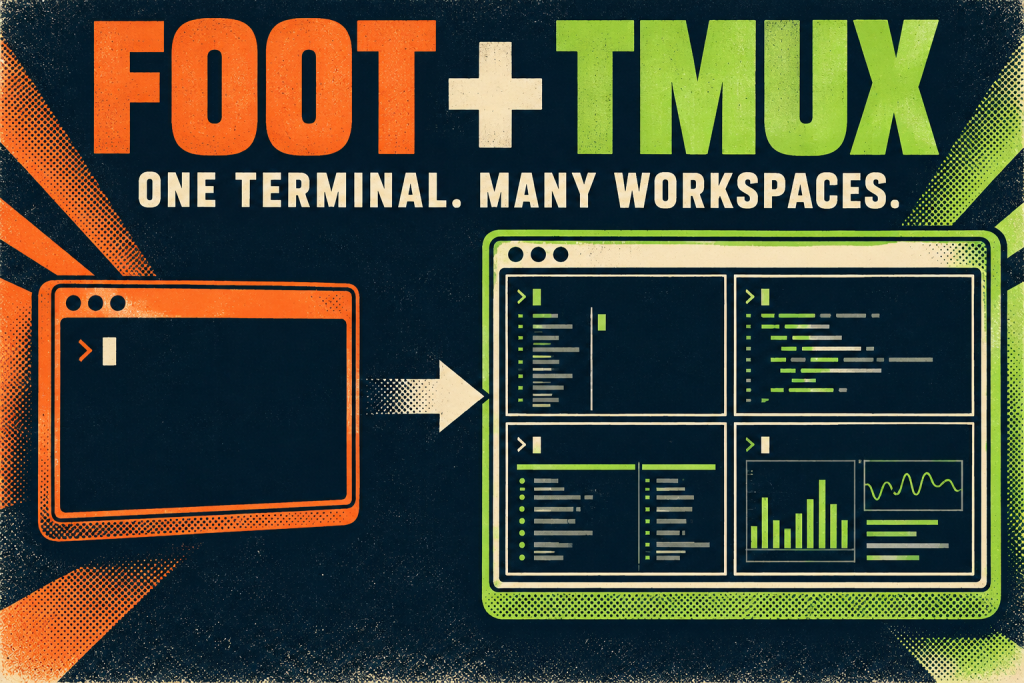
New to Omarchy? Learn how Foot and tmux work together, the shortcuts to start with, and what actually survives when you close a terminal or reboot.

HyperFrames turns HTML-based compositions into video. Here is where its agent-friendly workflow could help marketers—and what to test before relying on it.
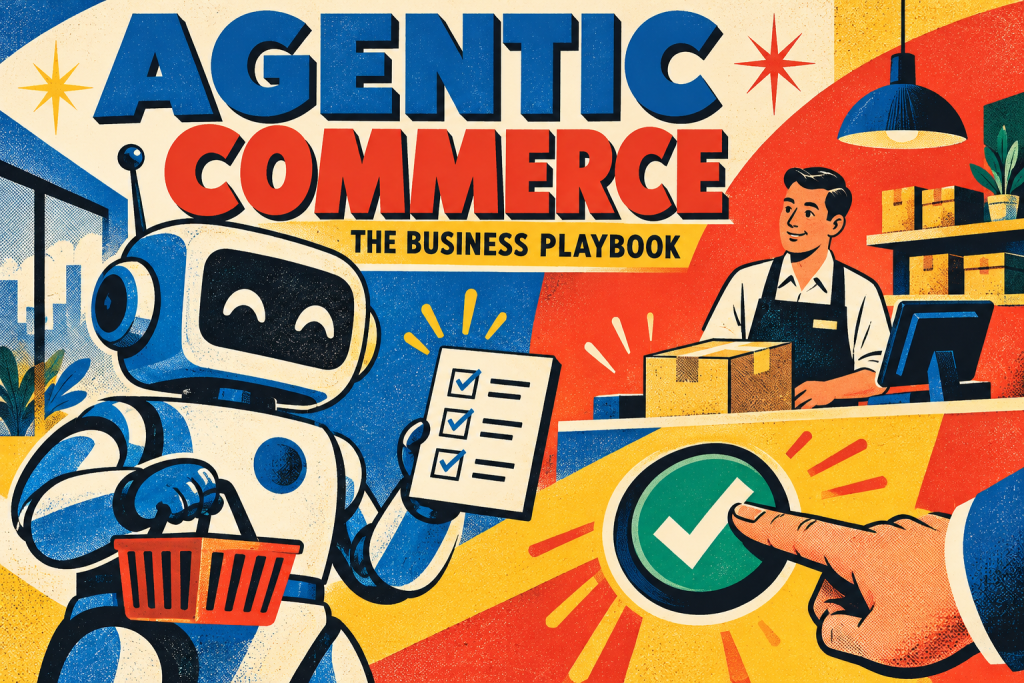
The Amex playbook turns AI shopping into a practical merchant-readiness conversation: clearer offers, reliable transactions, customer permission, and one focused first project.

AI local discovery is growing, but a recommendation is only the beginning. Here is a practical checklist for turning visibility into customer confidence and bookings.

For years, CMS plugin ecosystems have operated on an awkward bargain: extensions make a platform more useful, but installing one

Keyboard shortcuts are supposed to save time. Yet most people learn them the least effective way possible: they see a

Most discussions of AI coding agents stay at the surface: which model to use, which prompt to write, which demo

Product teams are rewarded for adding. New features make roadmaps look alive, launch notes feel substantial, and meetings end with

For teams building WordPress, Laravel, Drupal, or Node.js projects, the slowest part of development is often not writing code. It

Meta has introduced Muse, a personal AI agent designed to work more like an operator than a chatbot. The pitch

AI is moving past the phase where the question was simply, Can it write? The more consequential question is becoming: