
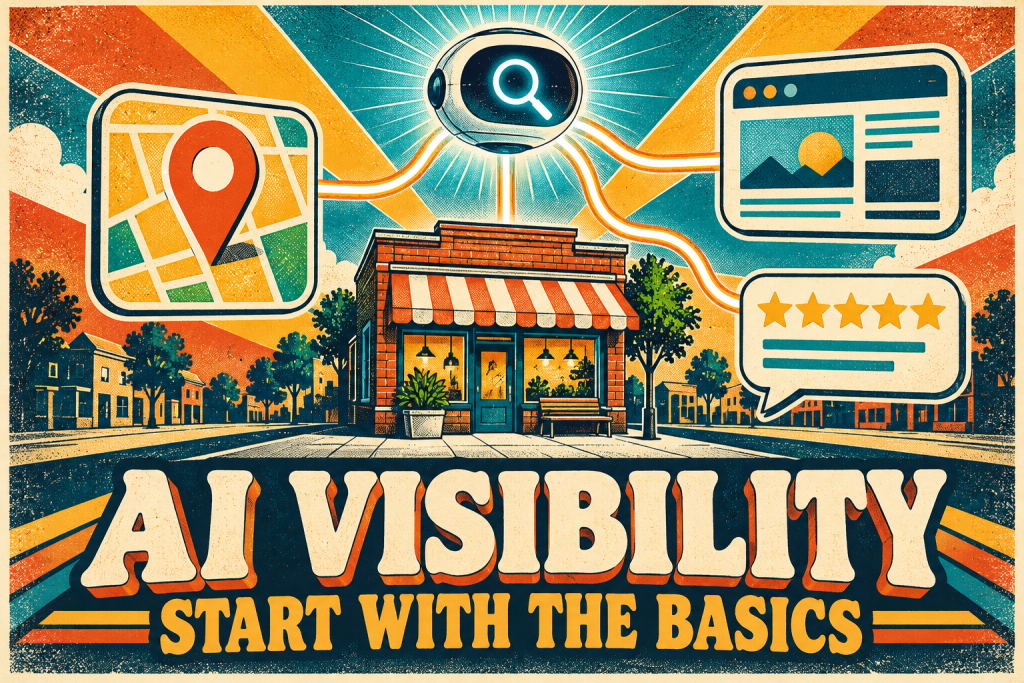
Chasing AI Visibility? Don’t Neglect Your Local SEO Basics
BrightLocal’s survey reveals a gap between AI visibility efforts and reported activity on core channels. Here is a practical 30-day local SEO reset.
BrightLocal’s survey reveals a gap between AI visibility efforts and reported activity on core channels. Here is a practical 30-day local SEO reset.
Herdr organizes terminal-based AI coding agents in one workspace. Explore persistent sessions, remote machines, customization, and the limits worth knowing.
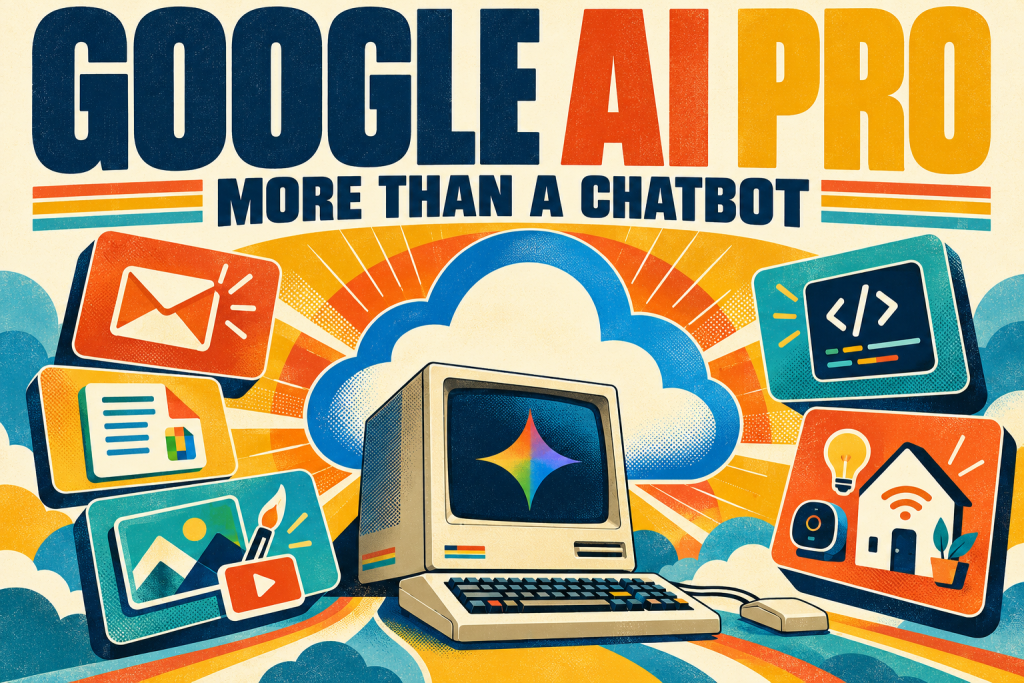
Google AI Pro bundles Gemini, 5 TB of storage, creative and developer tools, and eligible premium perks. Here is what matters—and what to check first.
OpenAI introduces GPT-6.1 Terra. Explore its pricing, visual AI focus, and a practical way to test one business workflow before expanding automation.
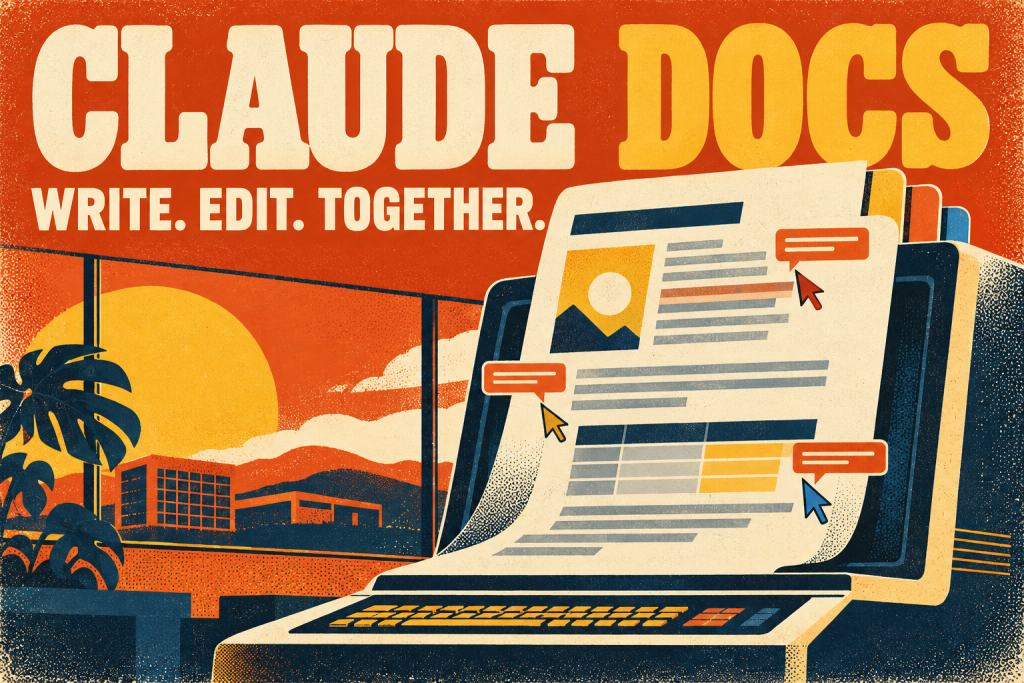
Claude Docs brings rich-text editing and real-time collaboration into Claude. Learn how to draft, comment, share, export, and keep document data current.
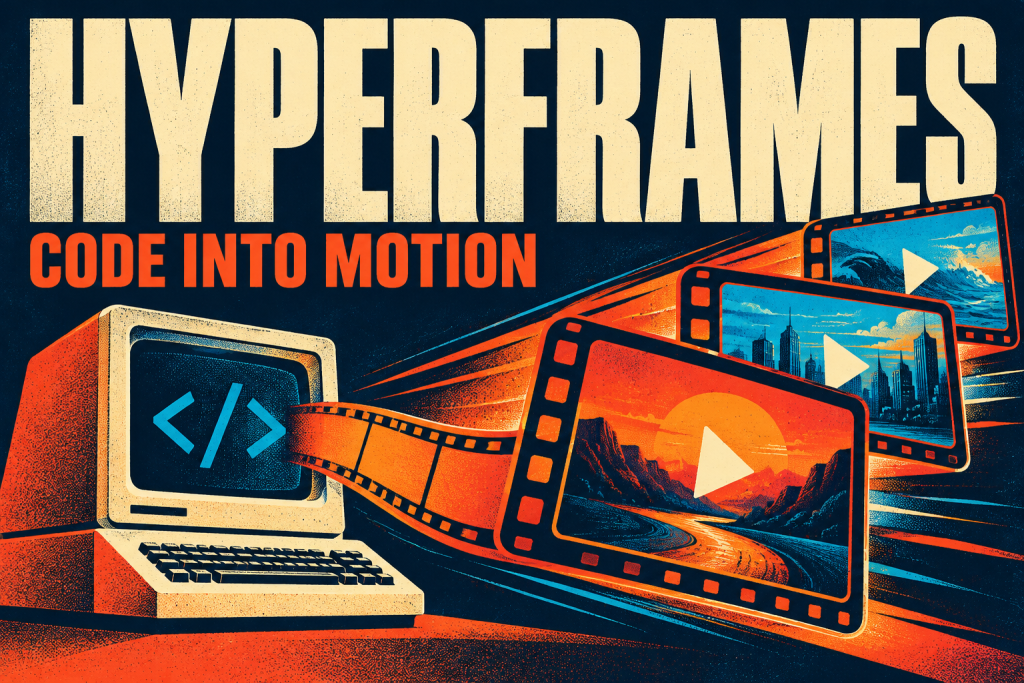
HyperFrames turns HTML-based compositions into video. Here is where its agent-friendly workflow could help marketers—and what to test before relying on it.
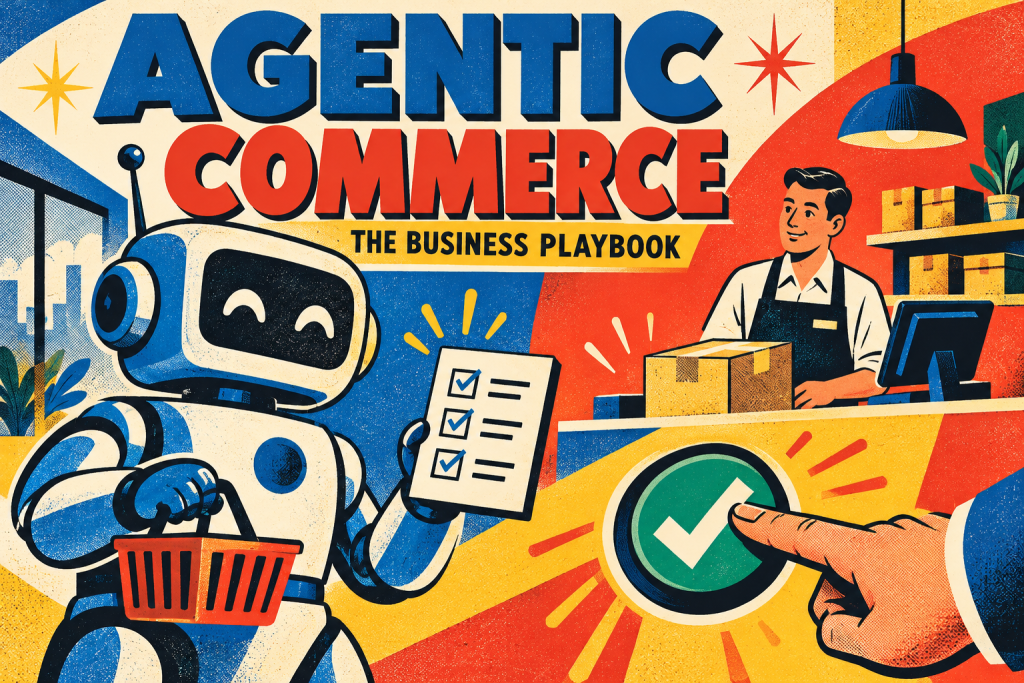
The Amex playbook turns AI shopping into a practical merchant-readiness conversation: clearer offers, reliable transactions, customer permission, and one focused first project.
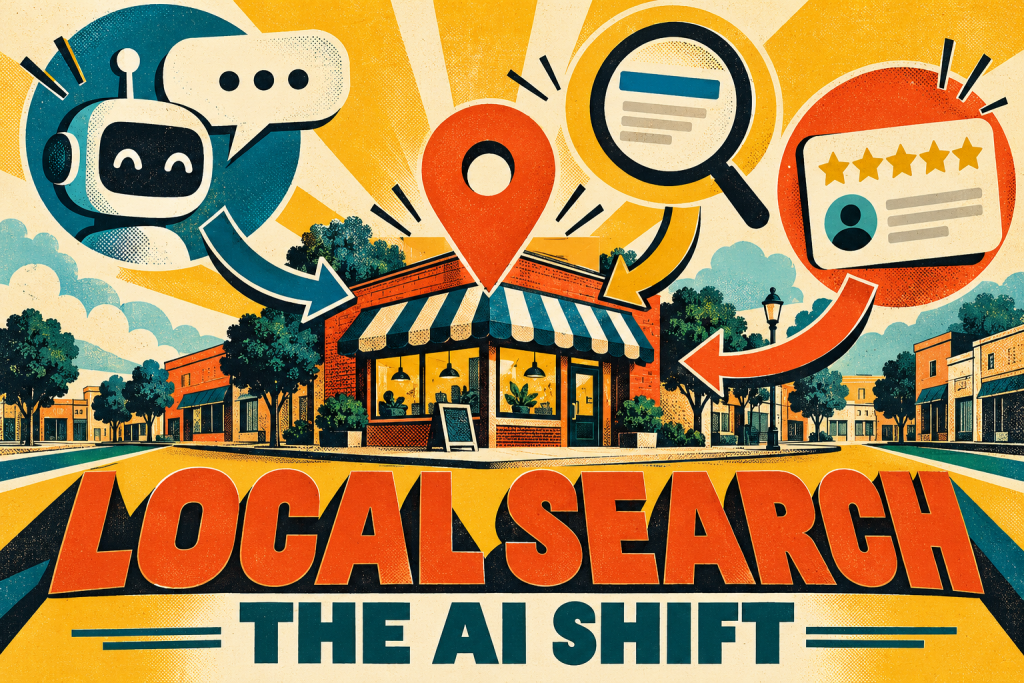
AI local discovery is growing, but a recommendation is only the beginning. Here is a practical checklist for turning visibility into customer confidence and bookings.

Most discussions of AI coding agents stay at the surface: which model to use, which prompt to write, which demo

Meta has introduced Muse, a personal AI agent designed to work more like an operator than a chatbot. The pitch

AI is moving past the phase where the question was simply, Can it write? The more consequential question is becoming:

Google’s official guidance on generative AI search makes one thing unusually clear: GEO and AEO are not replacements for SEO